

Key Takeaways
- Meibomian gland dysfunction (MGD) happens when eyelid glands can’t release enough healthy oil for your tears.
- MGD is a common underlying cause of dry eye.
- Symptoms include dry, uncomfortable eyes, shifting vision, and irritating contacts.
- The doctor can check for MGD during a routine eye exam.
- Treatments like LipiFlow, intense pulsed light (IPL), and prescription eye drops can help you manage symptoms.
- Treating MGD before cataract or laser vision surgery may help reduce dry eye afterward.
Your eyelids contain a row of tiny oil glands that work with every blink to keep your eyes comfortable. When those glands stop working well, dryness and irritation often follow.
Meibomian gland dysfunction (MGD) is a condition in which the oil glands along your eyelids become blocked or damaged, so they can’t release the healthy oil your tears need. If dry eye keeps returning, a visit focused on dry eye treatment at Joshua Powell MD can help you learn whether MGD plays a role and which next steps suit your eyes.
What MGD Means for Your Eyes
Each blink spreads a thin tear film across the front of your eyes. Small glands along your eyelid margins add an oily layer to that film, and this layer slows evaporation.
When those glands get blocked or damaged, healthy oil can’t flow the way it should. Your tear film loses its protection, and dry eye can follow. In fact, MGD is a frequent underlying cause of dry eye.
Who Can Develop MGD?
MGD becomes more common with age. In the U.S., one estimate suggests about 70% of people over 60 have it. Younger adults can develop MGD as well. Allergies, hormone changes, certain medications, contact lens wear, and increasing age can all play a role.
What Are the Symptoms of MGD?
Symptoms of MGD often resemble general dry eye, so you might not connect them to your eyelids right away. Watch for these signs:
- A gritty or sandy feeling in your eyes
- Burning or stinging
- Redness
- Vision that looks clear one moment and blurry the next
- Contacts that feel scratchy or uncomfortable
Many people notice these symptoms most while reading or during screen time, when they tend to blink less. If these symptoms persist or worsen, our team can help you find answers.
How Is MGD Diagnosed?
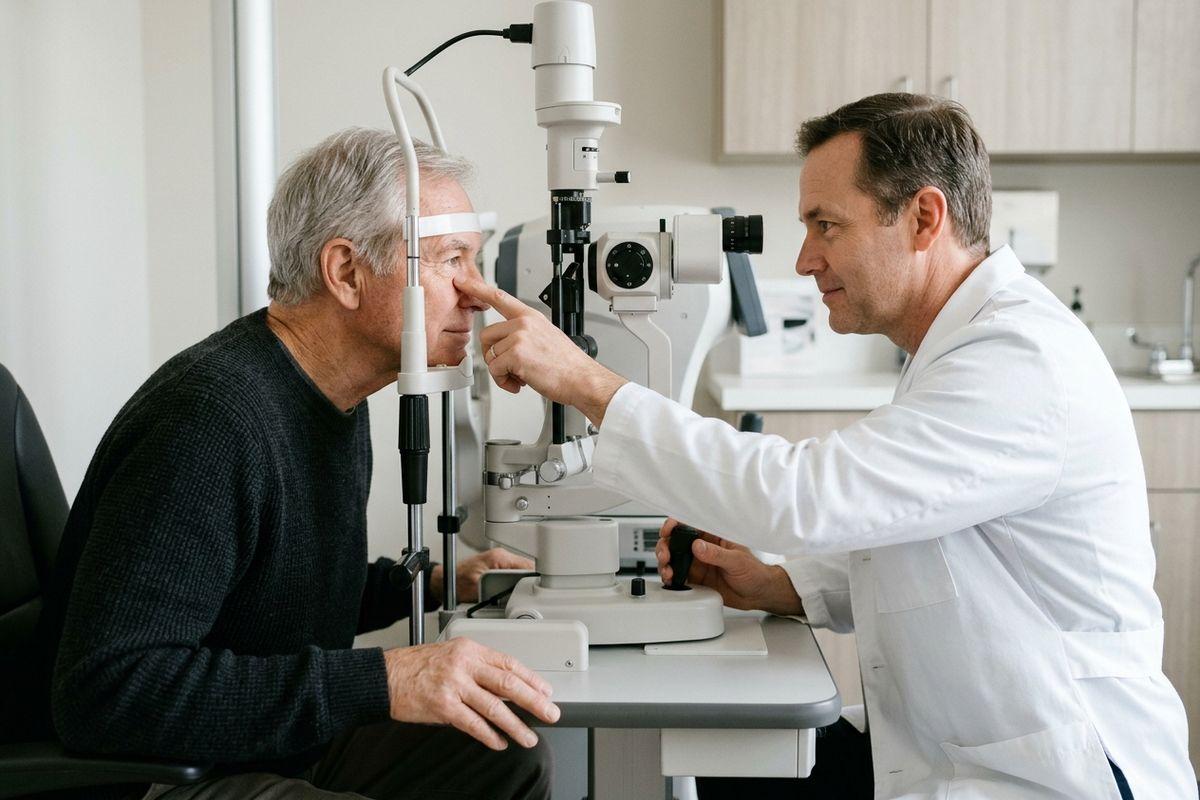
Checking for MGD fits right into a routine eye exam. Your eye doctor reviews how your eyelid glands work and looks at their structure. You may also fill out a short questionnaire about your symptoms. Your answers help the eye doctor see how dry eye affects your daily life, from driving at night to time spent on your laptop.
What Are the Treatment Options for MGD?
Treatment aims to clear blocked glands and help them release healthy oil again. One in-office option is LipiFlow, which applies gentle heat and pressure to the inner eyelids to loosen blockages.
A LipiFlow session takes about 12 minutes and treats both eyes, and many people notice improvement within 6 to 8 weeks. Results vary from person to person.
Other In-Office Options
LipiFlow is one of several choices. Depending on your needs, your eye doctor may suggest one or more of these options:
- Intense pulsed light (IPL), which can reduce redness and inflammation around the eyelids
- iLux, a handheld device that warms and clears the glands during your visit
- Gland probing, which can open glands with stubborn blockages
- Prescription eye drops that can calm inflammation and support daily comfort
Can MGD Go Away on Its Own?
MGD is a long-term condition and usually does not resolve without treatment. However, ongoing care can help you manage your symptoms and keep your eyes more comfortable day to day. How often you need treatment depends on how your eyes respond. The team can adjust your plan as your eyes change.
How MGD Affects Contact Lenses and Eye Surgery
Many contact lens wearers show signs of MGD. If you pull your lenses out early because they feel scratchy or dry, MGD could be part of the picture.
Treating MGD may help your lenses feel comfortable for longer, whether you wear them through a full workday or an evening out.
Treating MGD Before Cataract or Laser Vision Surgery
If you’re planning cataract surgery or LASIK, untreated MGD can affect your surgery results. For this reason, clinical guidelines suggest treating MGD before surgery.
Treating MGD ahead of time may improve gland function and eye surface health after surgery. This can support a more comfortable recovery.
Take the Next Step for Comfortable Eyes
MGD can make simple tasks, like reading a menu or wearing contacts through dinner, harder than they should be. A clear diagnosis gives you a starting point for managing it.
The team at Joshua Powell MD can examine your eyelid glands with specialized diagnostic technology and walk you through treatment options that fit your routine. Book an appointment and find out whether MGD is behind your symptoms.