Your Path to Clearer Vision: Cataract Exams & Care
Cataracts are a natural part of aging and can cloud your vision, making everyday tasks like reading, driving, or enjoying activities more difficult. At Joshua Powell MD, we offer thorough cataract exams to assess the severity of your condition and guide you through the best treatment options.
If cataracts are impacting your quality of life, we offer modern cataract surgery with various lens options. With over 20 years of experience, Dr. Powell provides a wide variety of multifocal and premium lenses to find the best fit for your vision needs.
We understand that no 2 patients are the same, so we tailor our approach to suit your unique needs. Don’t wait until your vision worsens—schedule a cataract exam today to find out how we can help you preserve and restore your vision for the future.
Book Appointment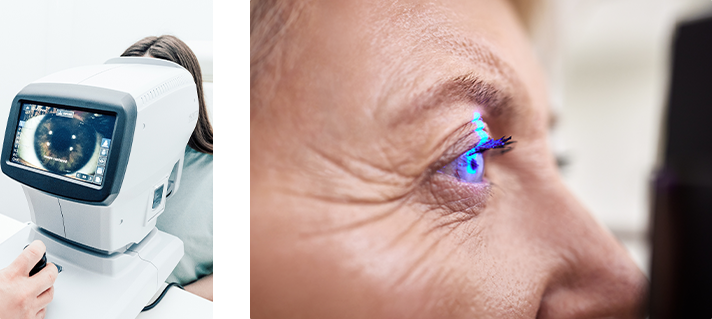
Identifying Cataracts: When to Seek Help
Cataracts often develop slowly, and their symptoms can be subtle at first. The most common signs are blurry vision, difficulty seeing at night, and halos or glare around lights. If you experience any of these symptoms, it’s essential to schedule an exam.
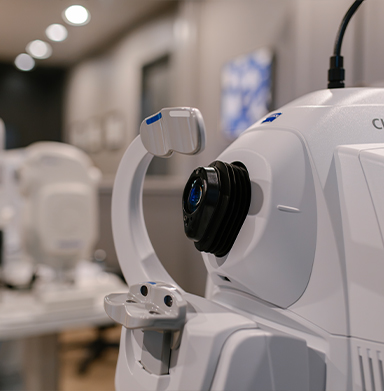
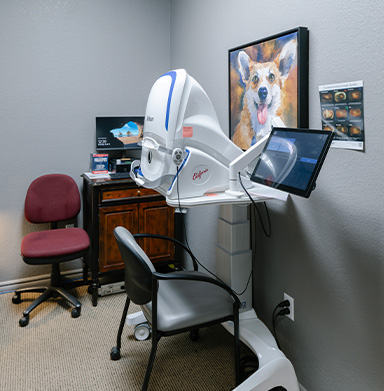
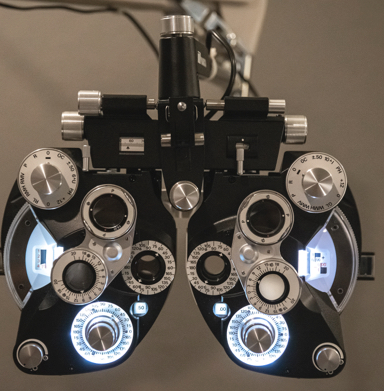
During your exam, we’ll assess the clarity of your lens and determine whether cataracts are affecting your vision. Our diagnostic tools help us pinpoint the stage of your cataracts so we can recommend the best course of action.
Getting Started with Cataract Management
Once cataracts are diagnosed, the next step is determining the right approach for managing them. If your cataracts are not yet affecting your daily life, Dr. Powell may recommend monitoring your condition and using glasses to help with blurry vision.
However, if cataracts begin to interfere with activities like reading, driving, or watching TV, it may be time to explore surgical options.
In some cases, medication or lifestyle changes may help manage symptoms, but cataract surgery remains the most effective treatment when vision is significantly impacted.
Comprehensive Cataract Evaluation
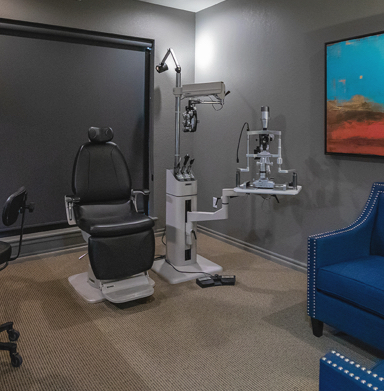
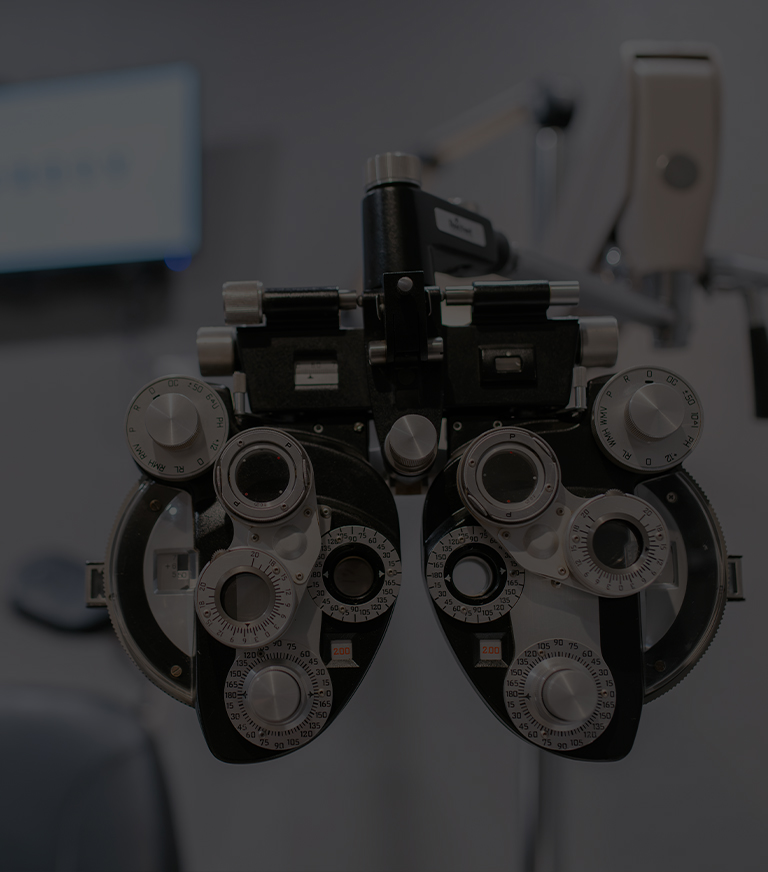
At your cataract exam, Dr. Powell will perform a thorough evaluation of your eye health. This typically includes:
- Visual acuity testing: Measuring the sharpness of your vision at various distances.
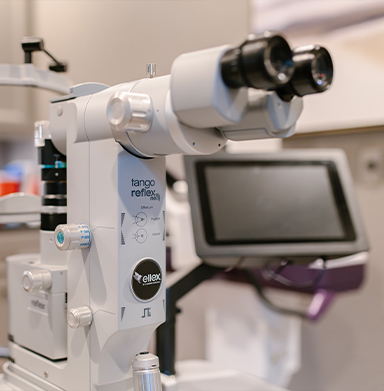
- Slit lamp exam: A detailed examination of the lens to check for cloudiness or other signs of cataract formation.
- Tonometry: Testing the pressure inside your eye to rule out conditions like glaucoma, which can sometimes accompany cataracts.
- Retinal exam: Checking the health of the retina and optic nerve to make sure no other conditions are affecting your vision.
This comprehensive approach allows us to accurately assess your cataracts and discuss the best options for managing your condition.
Understanding Your Treatment Options
Dr. Powell uses modern techniques for cataract surgery, including small incisions and topical anesthesia. This is an outpatient procedure, meaning there’s no need for an overnight hospital stay.
The actual surgery typically takes less than 10 minutes, and you can expect to see clearer right after—but with some haziness for a few days while your eye heals.
We offer a range of options to improve your vision and customize your treatment, including:
- Tecnis Odyssey IOL: An extended depth of focus lens designed to provide seamless vision across distances with enhanced contrast and low-light performance.
- Alcon PanOptix Pro IOL: A trifocal lens that delivers sharp vision at near, intermediate, and distance ranges, helping reduce dependence on glasses.
- TECNIS Symfony IOL: One of the first extended depth of focus (EDOF) lenses designed for continuous, quality vision at all distances, even in low-light conditions.
- Light Adjustable Lens(LAL): A customizable lens that can be adjusted after surgery to fine-tune your vision for better results.
- Multifocal & Premium IOLs : Designed to correct near, intermediate, and far vision, reducing or eliminating the need for glasses after cataract surgery.
- YAG Laser: A simple, in-office laser procedure that treats secondary cataracts, helping to improve vision and restore clarity after cataract surgery.
We Can Help You Manage Cataracts
If you’ve been diagnosed with cataracts or suspect you may have them, we invite you to schedule a consultation with Dr. Powell. We’ll help you explore all your options, including whether cataract surgery or one of our lens options could be the right choice for you.
Contact us today to book your appointment and take the first step toward clearer vision.
Book AppointmentLet’s find the right lens for your life.
This short guide from the office of Dr. Joshua Powell will walk you through what an intraocular lens (IOL) is, help you understand your options, and let you explore which type of lens might best fit your lifestyle — so you and Dr. Powell can have a more focused conversation at your appointment.
It takes about 5 minutes. There are no wrong answers, and nothing here replaces your doctor’s recommendation — it’s simply a head start.
What happens to your lens during cataract surgery?
Your natural lens sits just behind your pupil and focuses light onto your retina. A cataract happens when that lens becomes cloudy — like a foggy window.
During surgery, your surgeon removes the cloudy natural lens and replaces it with a clear, permanent artificial lens called an intraocular lens (IOL). That lens stays with you for life.
The IOL you choose will determine how well you see at different distances — and how much you rely on glasses afterward. This is one of the most personal decisions in all of medicine: there’s no universally “best” lens, only the best lens for you.
How would you describe your daily life?
Think about what a typical active day looks like — not your most demanding day, but most days.
How important is it to reduce your dependence on glasses?
There’s no right answer — some people are perfectly happy wearing glasses; others have worn them their whole life and are hoping for freedom. Both preferences are valid.
How do you feel about the possibility of minor visual side effects?
Some premium lenses — especially those covering near and distance — can occasionally cause halos, glare, or rings around lights, especially at night. These often fade over weeks to months as the brain adapts.
Have you had any previous laser eye surgery?
LASIK, PRK, LASEK, or radial keratotomy (RK) change the shape of your cornea in ways that affect how IOL power calculations are done. It’s important your surgeon knows — and it opens up specific lens options.
The main types of IOL
Here’s what each lens does, what it trades off, and who tends to prefer it. Read through all of them — your doctor will factor in your eye measurements and history too.
The traditional, time-tested option. Your surgeon sets focus at distance; you’ll wear reading glasses for near tasks. Offers excellent optical quality with no compromise on clarity or night vision.
If you have significant astigmatism, a toric IOL corrects both the cataract and the astigmatism in one step. Provides sharper, crisper distance vision than a standard lens for patients with corneal astigmatism.
EDOF lenses stretch your range of clear focus from distance through arm’s-length — excellent for computer work, dashboards, menus, and most everyday tasks. Most patients still need light reading glasses for fine print only.
Trifocal lenses aim for full spectacle independence — sharp vision at all three distances. They work by splitting incoming light into three focal points. Most patients achieve reading, computer, and distance vision without glasses for the vast majority of tasks.
The Light Adjustable Lens is unique: after the lens is implanted and your eye has healed, your surgeon can non-invasively fine-tune your prescription using brief UV light treatments in the office. This means your final vision target is confirmed with your real, healed eye — not just pre-op measurements. Especially powerful for patients who have had LASIK, PRK, or other refractive surgery, where standard measurement formulas are less predictable.
The IC-8 uses a tiny central aperture (like a pinhole) embedded in the lens to extend depth of focus across a wide range — from distance to near. Unlike diffractive lenses, this optic approach is very forgiving of residual refractive error and irregular corneas, and doesn’t split light the same way, making halos and glare less of a concern. It’s often used in one eye as part of a monovision-style strategy.
What to bring to your appointment
Services We Offer






Visit Our Location
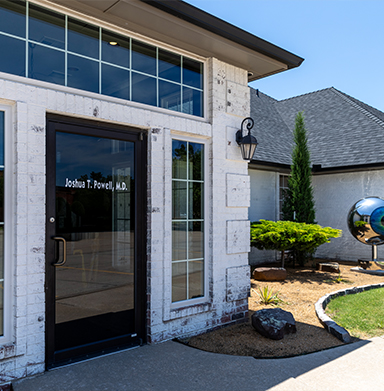
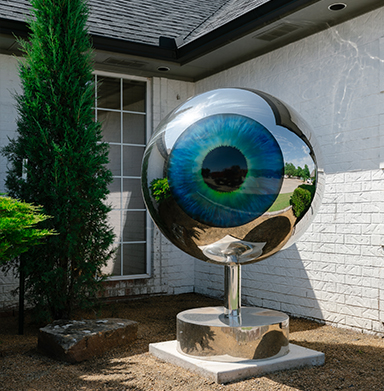
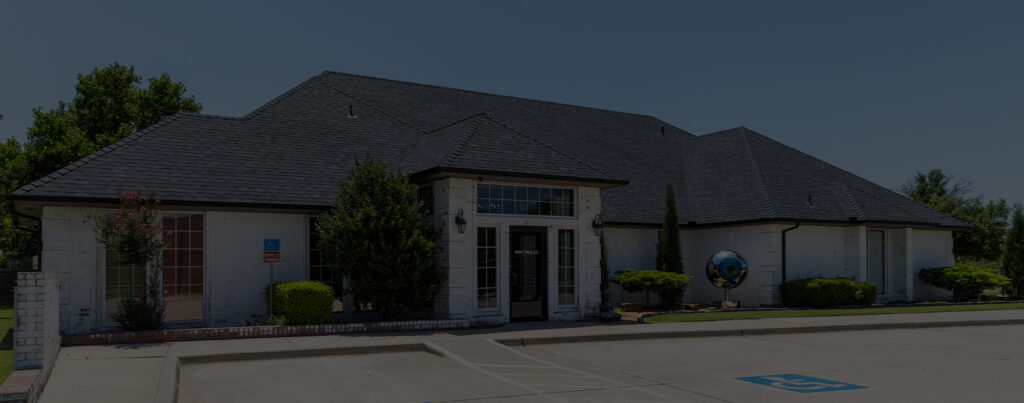
We’re located on 24th Avenue NW in a beautiful brick building. There is plenty of parking outside the clinic. We can’t wait to see you!
Where to Park
You can park in front and around the clinic. We also have accessible parking spots and a ramp leading up to the door.
Our Address
- 816 24th Ave NW
- Norman, OK 73069
Contact Information
- Phone: 405-701-8408
- Fax: 405-701-8407
Hours of Operation
Check Out Our Google Reviews