

Key Takeaways
- Dry eye happens when your eyes don’t make enough tears or your tears dry too fast.
- Prescription drops like Restasis, Xiidra, and Cequa are used at home every day, and may help calm inflammation.
- In-office treatments, like punctal plugs and heated eyelid treatments, are also available.
- Many people use both types of care together.
- A dry eye exam helps your eye doctor choose a plan that fits your eyes.
Prescription Drops & In-Office Treatment
Your eyes sting by mid-afternoon, your screen looks a little fuzzy, and every blink feels like sandpaper. You wonder if you should buy some eye drops, or if you should visit your optometrist for in-office dry eye therapy.
Prescription eye drops are a daily treatment that you use at home, while in-office dry eye treatments are more in-depth and happen during scheduled visits with your eye doctor. At Joshua Powell MD, our dry eye treatment services include both of these options.
What Is Dry Eye?
Dry eye happens when your eyes don’t make enough tears, or when your tears dry up too fast. Dry eye can cause discomfort and make it hard to focus at work. It can also complicate daily routines like reading a book or driving at night.
For mild cases, over-the-counter drops often help, so they’re a good first line of defense.
Common Signs of Dry Eye
Dry eye often shows up in a few different ways:
- A stinging, burning, or gritty feeling, like sand in your eye.
- Redness, itchiness, and irritation.
- Blurry vision, light sensitivity, or tired eyes.
How Do Prescription Eye Drops Help Dry Eye?
Common Prescription Options
Prescription eye drops like Restasis, Xiidra, and Cequa are common and often effective treatment options. Newer brands include Miebo and Vevye. Your eye doctor can walk you through which ones might suit your symptoms.
How Prescription Drops Differ from Store-Bought Drops
Artificial tears from the pharmacy give short-term relief for mild symptoms. They’re a good place to start. For more persistent dryness, however, store-bought drops often aren’t enough. That’s where prescription options come in.
What to Expect When You Start
Some people notice brief stinging, redness, or blurry vision right after using eye drops. It may take some time to see results, and you may need to try more than one kind of drop before you start seeing changes.
What Are In-Office Dry Eye Treatments?
Some treatments are more comprehensive and can’t be performed at home. Here are some of the more common options:
iLux Treatment
The iLux treatment uses controlled heat and gentle compression to help unblock the oil glands in your eyelids. This allows the glands to release oils that help prevent your tears from evaporating too quickly, improving tear quality and reducing dry eye symptoms.
OptiLight by Lumenis
OptiLight is an intense pulsed light (IPL) treatment that helps reduce inflammation around the eyelids and improve the function of your oil glands. This can help stabilize your tear film, reduce tear evaporation, and relieve dry eye symptoms.
Punctal Plugs
These plugs are placed in your tear ducts to slow the drainage rate of your tears. This helps keep more moisture on the surface of your eye. Some punctal plugs dissolve on their own with time, while others stay in place longer.
Heat & Gentle Eyelid Massage
These treatments can help when the oil glands in your eyelids get blocked. They involve applying heat to your eyes in order to unblock oils and reduce inflammation.

Key Differences Between Prescription Eye Drops & In-Office Treatments
Time & Daily Effort
Prescription drops need regular use at home, often on a set schedule. In-office care happens during scheduled visits, though the frequency of these appointments depends on the treatment.
Cost & Insurance
Newer prescription drops may cost several hundred dollars. Insurance coverage varies by both treatment and by plan, so the same care can cost two people very different amounts. Flexible spending plans or insurance benefits may help lower what you pay.
Why You May Use Both Together
Many people combine prescription drops with in-office care. Different treatments target different forms of dryness, so combining options can often be more effective if your dry eye has multiple causes.
How Does the Eye Doctor Choose the Right Dry Eye Treatment?
Your eye doctor will recommend a treatment based on an assessment of your eyes. This generally means a dry eye exam.
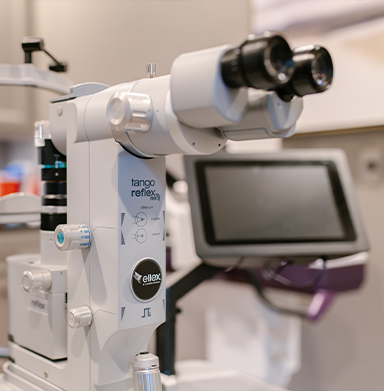
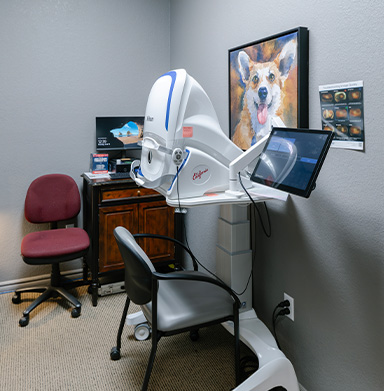
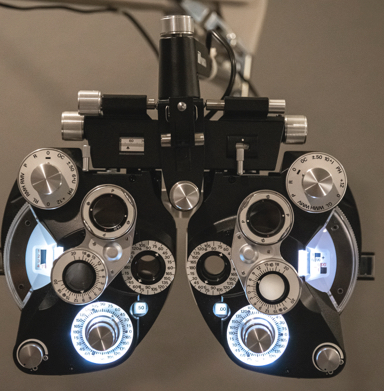
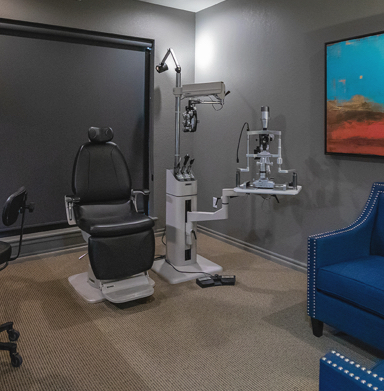
A dry eye exam involves checking how many tears you make, looking at your oil glands, and seeing how long it takes your tears to evaporate. At Joshua Powell M.D., we also use InflammaDry to detect inflammation related to dry eye.
Long-Term Dry Eye Care
Dry eye often needs ongoing care over time. Your management plan may change as your symptoms do.
It often helps to make small daily choices that minimize dryness and promote healthier eyes. We recommend that you:
- Run a humidifier in your bedroom or office.
- Take regular breaks from your screen.
- Drink enough water throughout the day.
Get Dry Eye Care with Joshua Powell MD
Prescription drops and in-office treatments each have a place in dry eye care, and many people benefit from both. At Joshua Powell MD, our team uses modern technology and clear communication to help you understand your options. Book a dry eye exam today and find a plan that fits your eyes and your routine.