

You might notice your eyes stinging after staring at a computer screen, or maybe it feels like a stray eyelash is constantly trapped under your lid. These gritty, uncomfortable sensations can make it hard to focus on your daily tasks or enjoy your favorite hobbies. Our team at Joshua Powell MD knows how frustrating this is, but we want you to know that relief options are available.
Dry eye can feel like a constant scratchy, burning, or gritty sensation that often happens when your body does not produce enough quality tears.
Tears and Your Vision Health
The 3 Tear Layers
Your tears are a delicate mix of oil, water, and mucus that help keep your eyes comfortable and clear. Each layer plays a specific role in protecting your vision and keeping your eyes lubricated throughout the day. Your tears are made of:
- An outer oily layer, produced by the tiny gland lining your eyelids, which helps keep moisture from evaporating too fast.
- A watery middle layer that helps wash away dirt and stray particles.
- An inner mucus layer that helps water stick smoothly to your eye surface.
A breakdown in any of these layers can quickly lead to physical discomfort that distracts you from your daily routine.
Common Signs and Symptoms
Physical Sensations
Dry eye can feel slightly different for everyone, but there are some common signs. Catching these early often means you can address irritation and inflammation before they worsen. Some common symptoms include:
- It feels like dirt or an eyelash is stuck inside your eyelid.
- Your eyes feel heavy, tired, or hard to keep open during the day.
- You experience a constant stinging, burning, or scratchy texture.
- Your eyes are excessively watery, which can be your body’s response to the irritation.

Visible Changes
The physical discomfort sometimes comes with visible signs you can spot in a mirror. These noticeable changes often signal that your eyes need extra support. Dry eye can sometimes look like:
- Redness, especially on the white part of your eye.
- Strings of mucus that collect around the corners of your eyes.
- Waking up with crusty eyelids or a feeling that they are stuck together.
Early Stages and Similar Eye Conditions
First Signs to Catch
Catching dry eye early helps you find relief before the irritation disrupts your whole day. Ignoring mild discomfort usually makes it harder to focus on your screen or favorite book later on. Some early signs to pay attention to could include:
- Needing to blink a lot just to focus your eyes on a task.
- Experiencing mild eye discomfort when looking at screens.
- Contact lenses suddenly become painful or irritating to wear.
Conditions Easily Confused
Some other eye issues share similar early symptoms, which can make it hard to figure out the problem on your own. A proper comprehensive eye evaluation is important, as different problems have different treatments.
The eye doctor can evaluate your eyes to determine the cause of your symptoms and put you on the path to relief. Some examples of other eye problems that share symptoms with dry eye include:
- Seasonal allergies lead to red and itchy reactions, which are sometimes confused with dry eye.
- Viral and bacterial infections share symptoms like discharge and redness.
Everyday Factors Behind Your Discomfort
Your Environment and Habits
Your daily routine plays a massive role in how much moisture stays on your eyes. Small environmental factors often add up to create major visual discomfort by the end of the day. Some common habits that can contribute to dry eye include:
- Extended screen time, which often leads to digital eye strain because being on screens can reduce how often people blink.
- Wind, smoke, and dry climates can quickly dry out your tear film.
- Without proper contact lens care, long-term use can impact your natural moisture levels.
Changes in Your Body
Sometimes the problem comes from internal shifts rather than your surroundings. These bodily changes naturally alter how your eyes produce tears. For example, tear production can slow with age, so many people over 50 notice dry eye symptoms.
Hormonal changes, such as those that happen during pregnancy or menopause, can play a significant role in dry eye. Certain medications, such as allergy or cold medications, can also affect tear production.
Modern Approaches to Find Relief
How Long Discomfort Lasts
Understanding the timeline of your symptoms can help you manage your expectations. Without intervention, persistent or severe dry eye rarely resolves on its own. Consistent treatment, alongside a shift in your daily habits, can help you find long-lasting relief.
Steps to Feel Better
You do not have to live with stinging, tired eyes every single day. Taking action now helps you get back to reading, working, and driving without constant irritation. Here’s how our team can help:
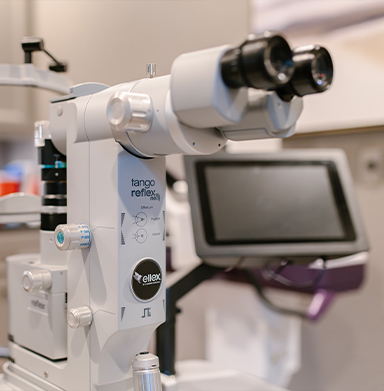
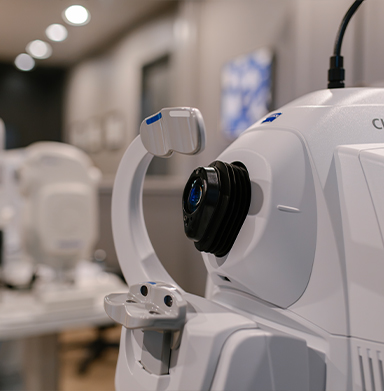
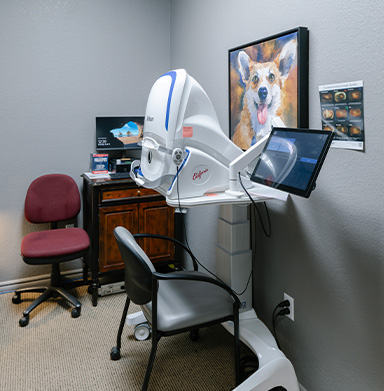
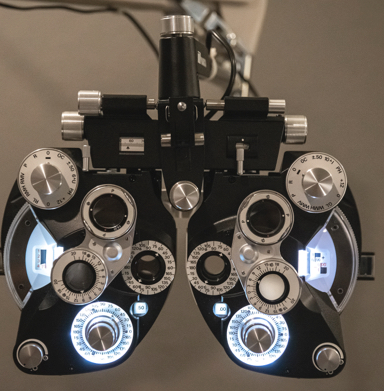
- We use modern diagnostic tools to evaluate your tears and eye health.
- We can recommend personalized changes to your routine, like using a warm eye compress or adjusting your workspace setup.
- We are informed by data-driven care, which helps target the contributing factors rather than just the symptoms.
- We use treatments like OptiLight by Lumenis, which is a light-based, noninvasive treatment designed to help manage persistent dry eye.
Our team is trained to provide clear, actionable recommendations so that you leave our office feeling confident and comfortable.
Schedule Your Appointment
Dealing with dry eye alone can easily disrupt your focus and make daily tasks uncomfortable. At Joshua Powell MD, our team provides experienced, data-driven eye care in a welcoming and efficient environment. If you are struggling with dry eye symptoms, we encourage you to book an appointment today.